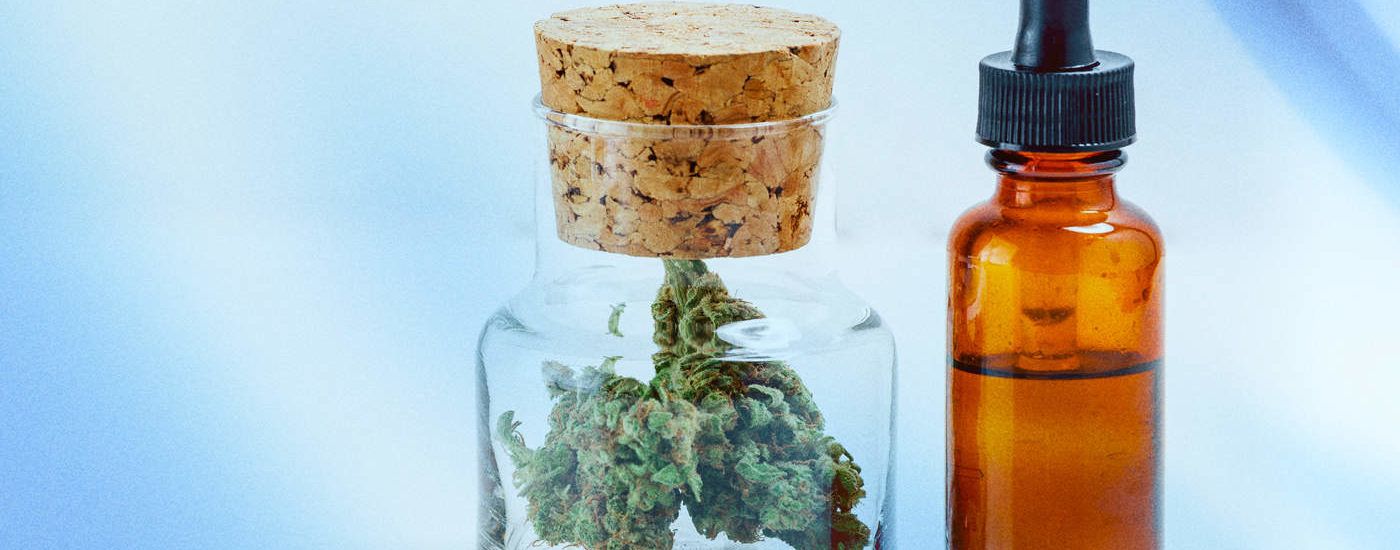
Nevada’s “oil labs” are licensed production facilities that transform harvested cannabis into the concentrates and infused goods you see on dispensary shelves: vape-cart distillate, live resin/diamonds/sauce, solventless hash rosin, RSO, tinctures, gummies, chocolates, beverages, topicals, capsules, and more. They sit between cultivation and retail in the state’s seed-to-sale system and operate under GMP-style rules (clean rooms, batch records, calibrated equipment) with mandatory independent lab testing before any product can be sold. The Cannabis Compliance Board (CCB) publishes monthly testing CSVs (“Nevada Cannabis Laboratory Library”) covering tests conducted from 2020 through the previous month, which is the best public window into statewide product mix and volumes.
What an “oil lab” actually does
1) Intake & lotting. Labs receive cured or fresh-frozen biomass from licensed cultivators, weigh and lot it in Metrc (Nevada’s track-and-trace), and prep it (milling; or frozen storage for “live” runs). The lab’s outputs—concentrates, distillates, edibles, etc.—move under the same lot/batch system and can only be transferred to other licensees (not consumers).
2) Extraction.
- Hydrocarbon (BHO/PHO) for terpene-forward “live” extracts: resin, badder, diamonds/sauce.
- Ethanol for high-throughput crude → distillate (the workhorse input for vapes and edibles).
- CO₂ supercritical systems for broad-spectrum oils and terpenes.
- Solventless (ice-water hash → rosin) for connoisseur SKUs.
3) Refinement & formulation. Winterization/filtration, short-path or falling-film distillation for high-purity THC distillate, decarboxylation, terpene blending, emulsions (for beverages), and precision dosing into carts, edibles, tinctures, and capsules. Nevada’s production regulations require food-style hygiene and equipment maintenance standards.
4) Testing & release. Every production batch is sampled by an independent testing lab for potency, residual solvents, pesticides (action-level panel), heavy metals, microbials, and mycotoxins. Only passing lots may ship to retailers or other licensees. The CCB’s public database hosts the rolling library of test data.
How much do Nevada oil labs produce per day? (A defensible estimate)
Nevada does not publish a single “throughput per day” number for each facility. But we can build a statewide daily output estimate using (a) official retail totals, (b) product-mix shares, and (c) observed retail prices—then translate revenue into physical units.
- Total taxable retail sales (FY 2024): $829.2 million. (Nevada Cannabis Compliance Board)
- UNLV’s 2024 market overview (built from Metrc data) shows:
- Concentrates account for ~⅓ of retail revenue and about half of market volume;
- Flower ≈ 45% of the market (by both volume and revenue);
- Pre-rolls ≈ 8% volume / ~12% revenue;
- Edibles ≈ ~12% revenue / ~2% volume.
It also provides current average retail prices: ordinary concentrates ≈ $22.78/g, solventless ≈ $25.06/g, and edibles ≈ $13.57 per package (Jan–May 2024 table). WEBSITE: UNLV
Using those anchors, here’s a back-of-market daily conversion for the categories oil labs make:
Concentrates (including vape-cart distillate)
- Revenue slice (FY 2024): ~33% of 829.2M ≈ **274M**.
- Blended retail price per gram: assume an 80/20 split between solvent-based and solventless (industry-typical; UNLV shows solventless commands a higher price but a smaller share), giving a blended ≈ $23.24/g.
- Estimated grams sold per year: 274M / 23.24 ≈ 11.8 million grams.
- Per day statewide: ~32,000–35,000 g/day (≈ 32–35 kg/day), acknowledging rounding and brand mix.
Notes: UNLV documents a ~27% YoY price drop for solvent-based concentrates through May 2024—so 2025 volumes are likely flat to slightly higher even if dollars are level.
Edibles (gummies, chocolates, beverages, tinctures)
- Revenue slice: ~12% of 829.2M ≈ **100M**.
- Avg retail per package: $13.57.
- Packages per year: 100M / 13.57 ≈ 7.4 million packages.
- Per day statewide: ~20,000–21,000 packages/day.
How many labs are doing the work?
Nevada’s licensing inventory shows ~80–100 production facilities (adult-use) operating statewide in recent reports—an order of magnitude that matches the UNLV review and CCB legislative tallies (e.g., 87 adult-use production facilities referenced in a 2024 legislative brief). The exact count changes as licenses activate, consolidate, or close. READ MORE: Nevada Legislature
Why “daily output” varies lab-to-lab
- Feedstock quality & target SKUs. High-terpene “live” resin runs and long-crystallization diamonds schedules don’t look like quick distillate turns; rosin is lower-throughput by design.
- Equipment & parallelization. Large labs run multiple extraction trains (hydrocarbon + ethanol) and automated post-processing; small solventless shops emphasize craft over volume.
- Compliance cadence. Sampling windows and independent lab queues can delay release even when extraction capacity is available (you’ll see the timing in the monthly testing CSVs).
What these numbers mean for brand and retail strategy
- Concentrates are the volume engine for oil labs—tens of kilograms of finished concentrate per day statewide—and most of that ends up as vape distillate or live SKUs. UNLV’s price series suggests continued price compression for solvent-based oils, so profits hinge on efficiency and SKU mix (solventless, live resin, infused pre-rolls).
- Edibles are a unit monster. Roughly ~20k packages/day move across Nevada, which privileges high-reliability dosing and GMP discipline.
- Infused pre-roll momentum directly increases oil-lab demand even when flower dollars are flat, a trend UNLV highlights in detail.
Want the latest 2025 cut?
The CCB Public Database hosts the 2025 monthly lab files (January–September 2025 at the time of writing). To produce a precise by-category 2025 YTD daily average, aggregate those CSVs by product type (e.g., solvent vs solventless concentrates; edibles packages) and divide by day counts. The UNLV shares and prices above give a consistent cross-check against retail dollars. READ MORE: Nevada Cannabis Compliance Board
Bottom line
Nevada’s oil labs are regulated manufacturers that convert biomass into the concentrates and infused goods that dominate non-flower sales. Using FY 2024 retail dollars, UNLV’s Metrc-based product shares, and observed retail prices, the state’s oil labs collectively move on the order of ~32–35 kg of concentrates per day and ~20k edible packages per day, plus a growing stream of infused pre-roll inputs—with exact tallies recoverable from the CCB’s monthly testing CSVs for 2025 YTD. In a market where solvent-based concentrate prices fell ~27% year-over-year, scale, efficiency, and SKU strategy are what keep Nevada’s oil labs competitive.